













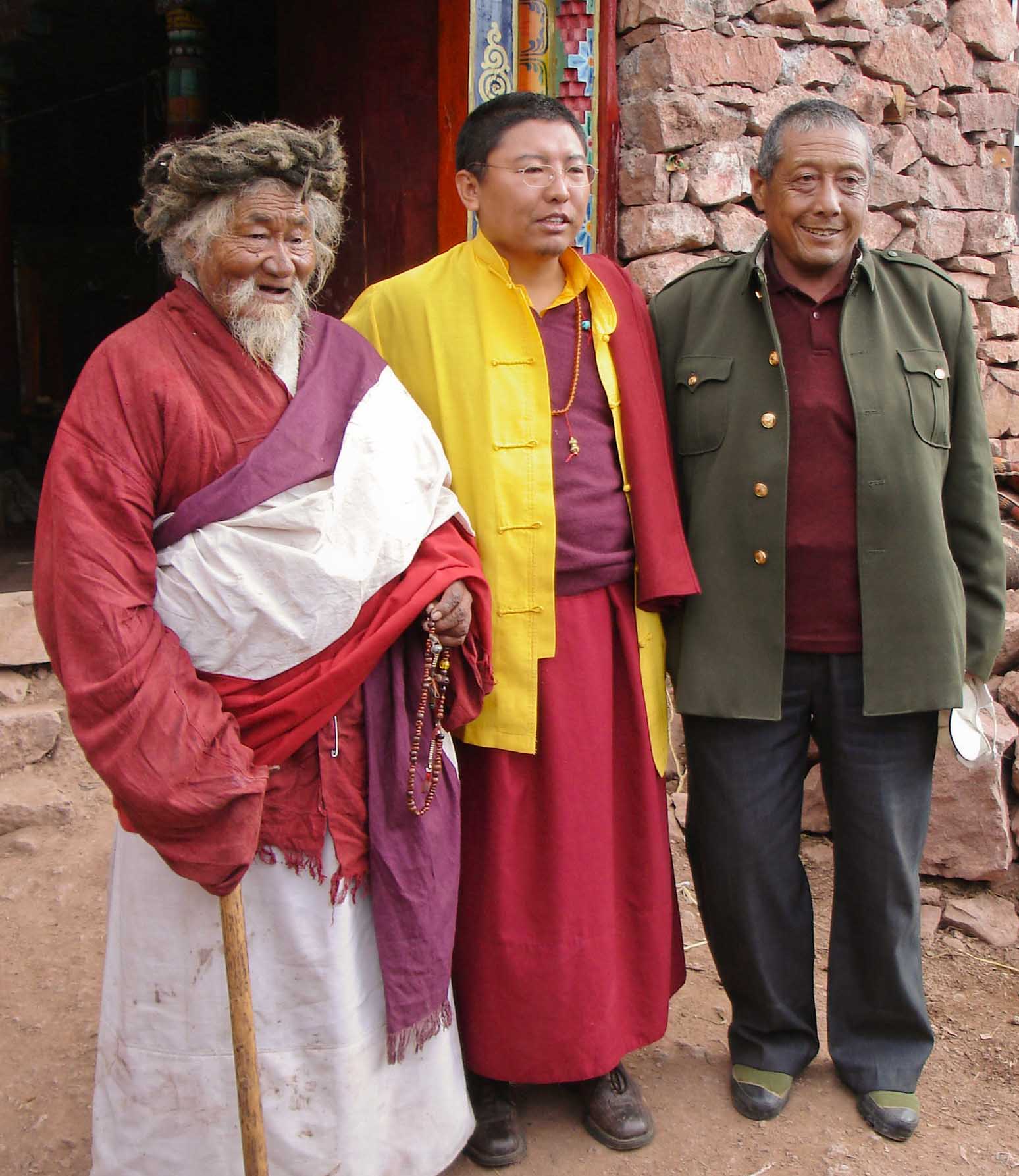
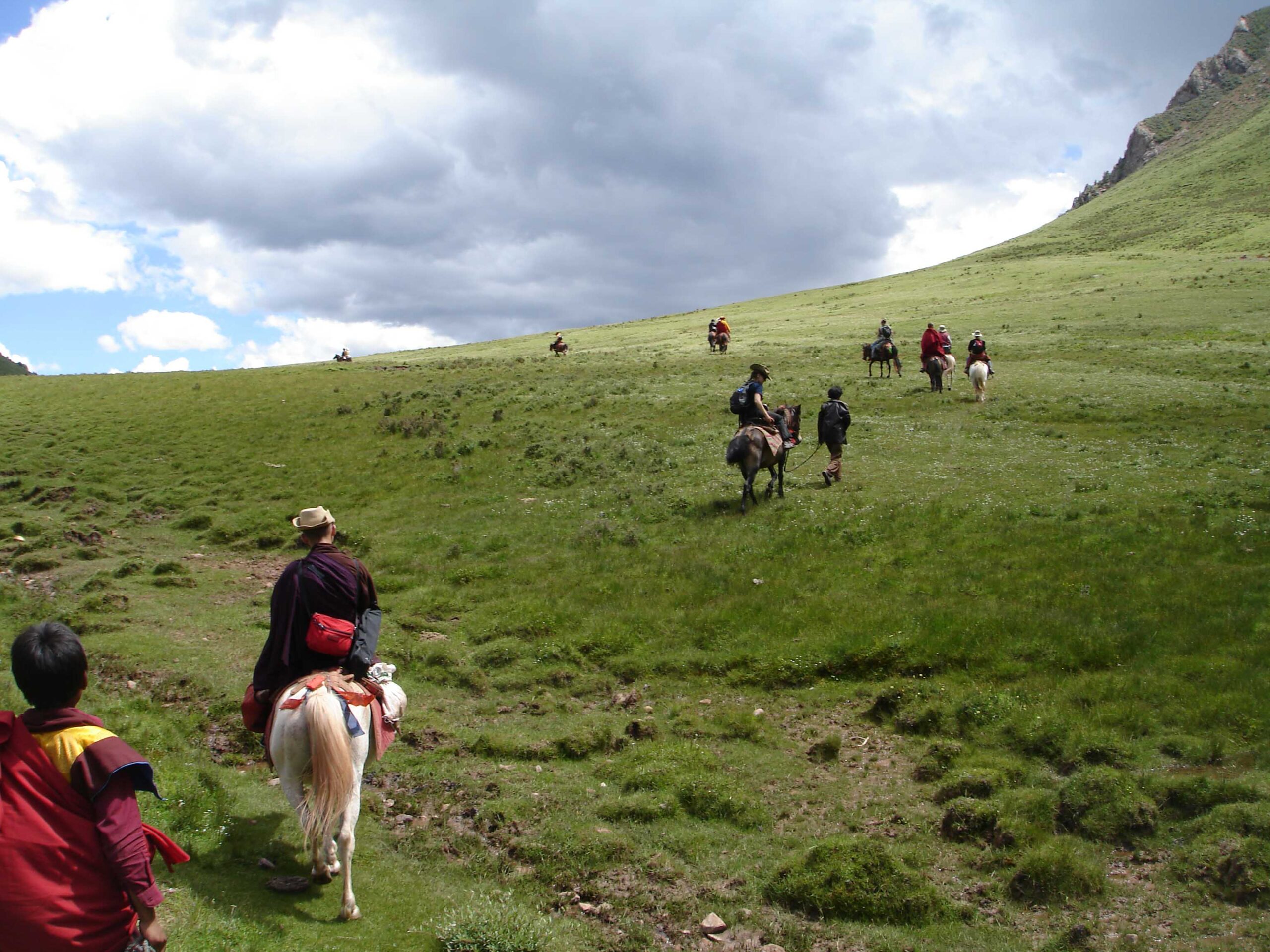
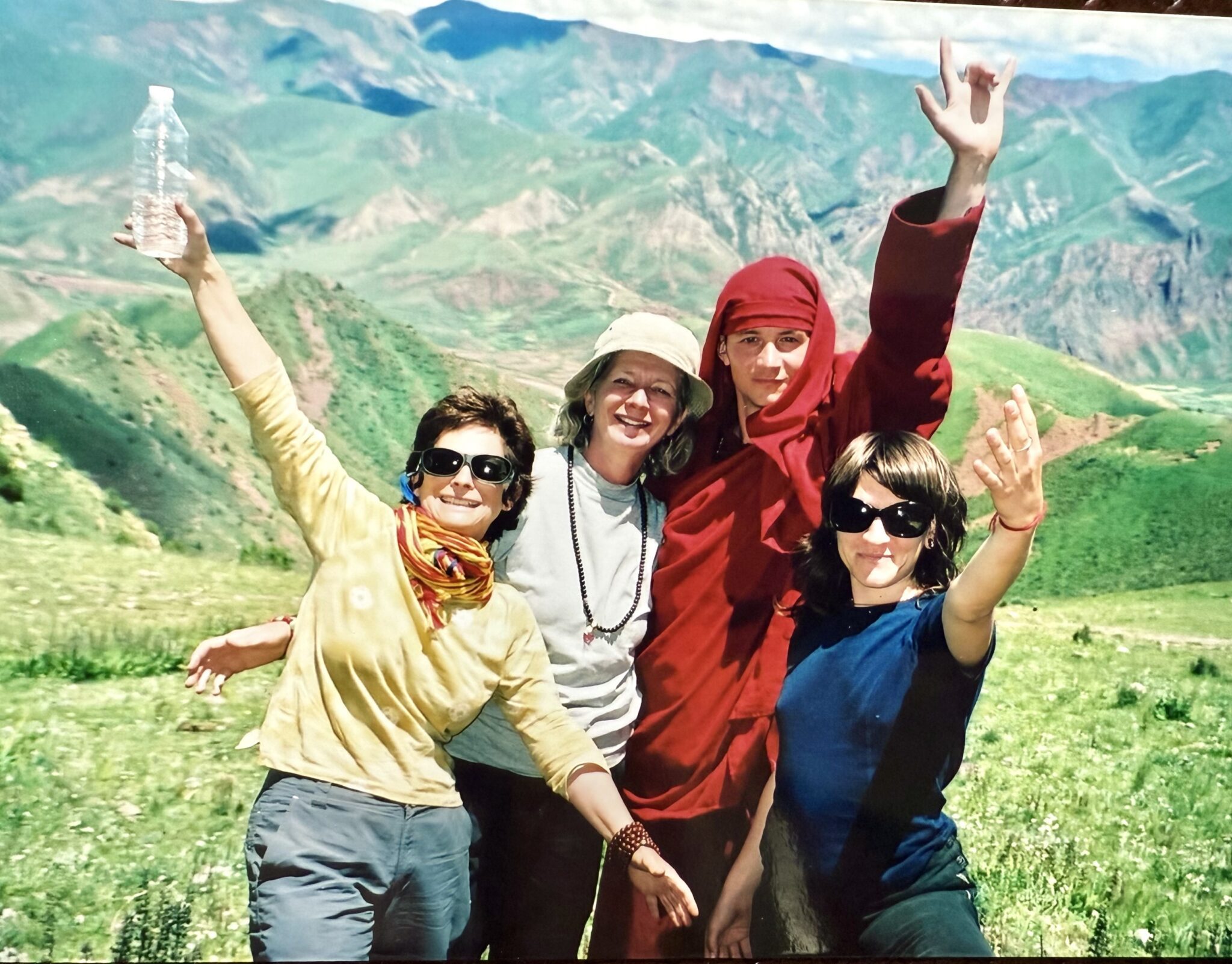
Twenty years after the pilgrimage to Nangchen with Tsoknyi Rinpoche, the travelers share their reflections.
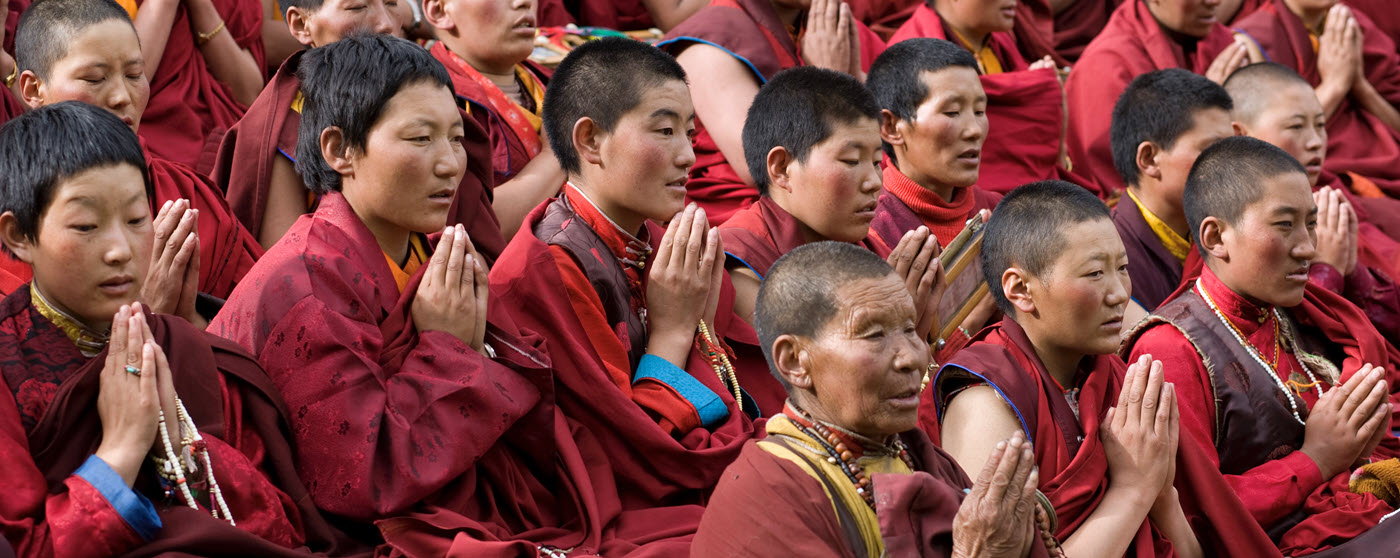
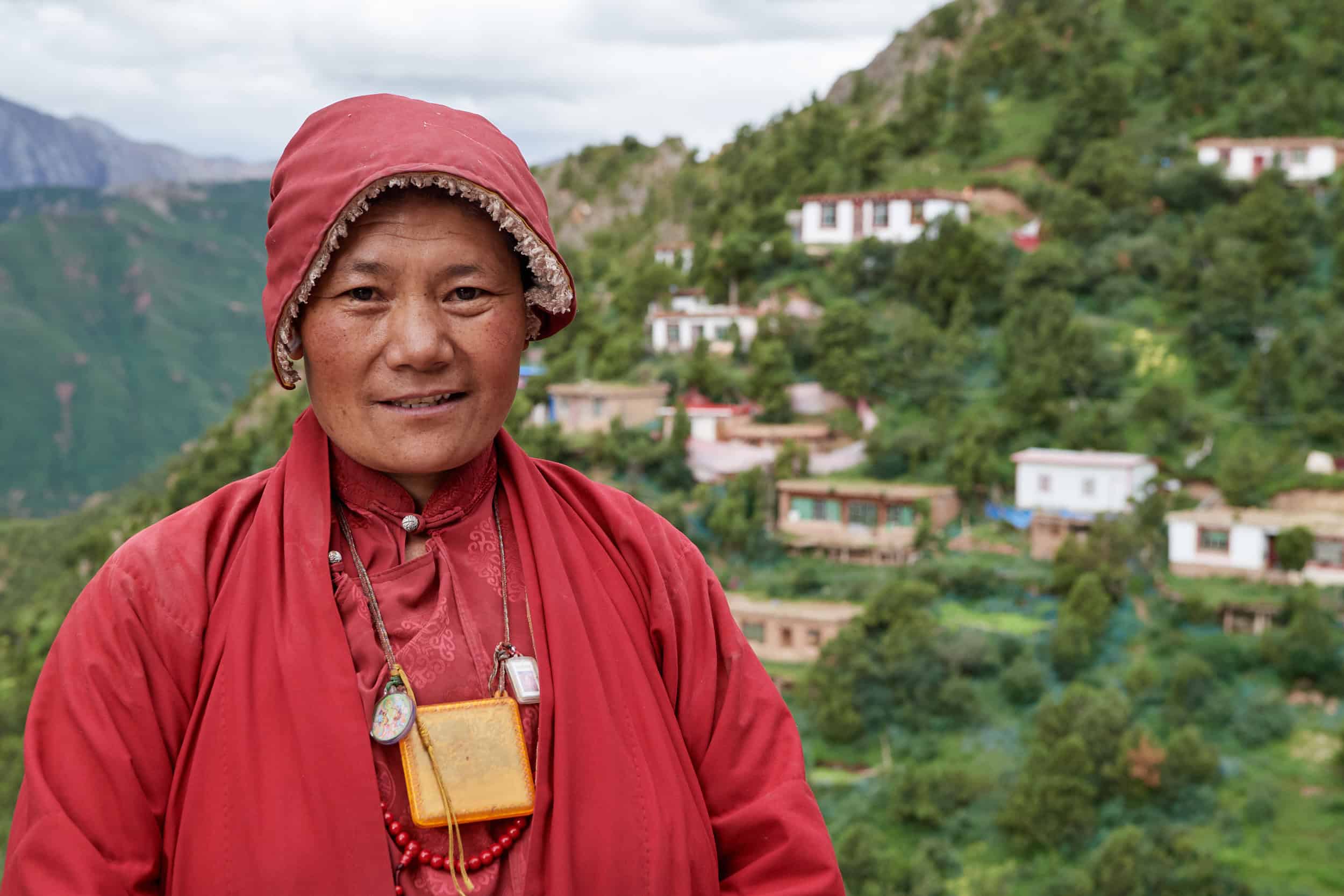
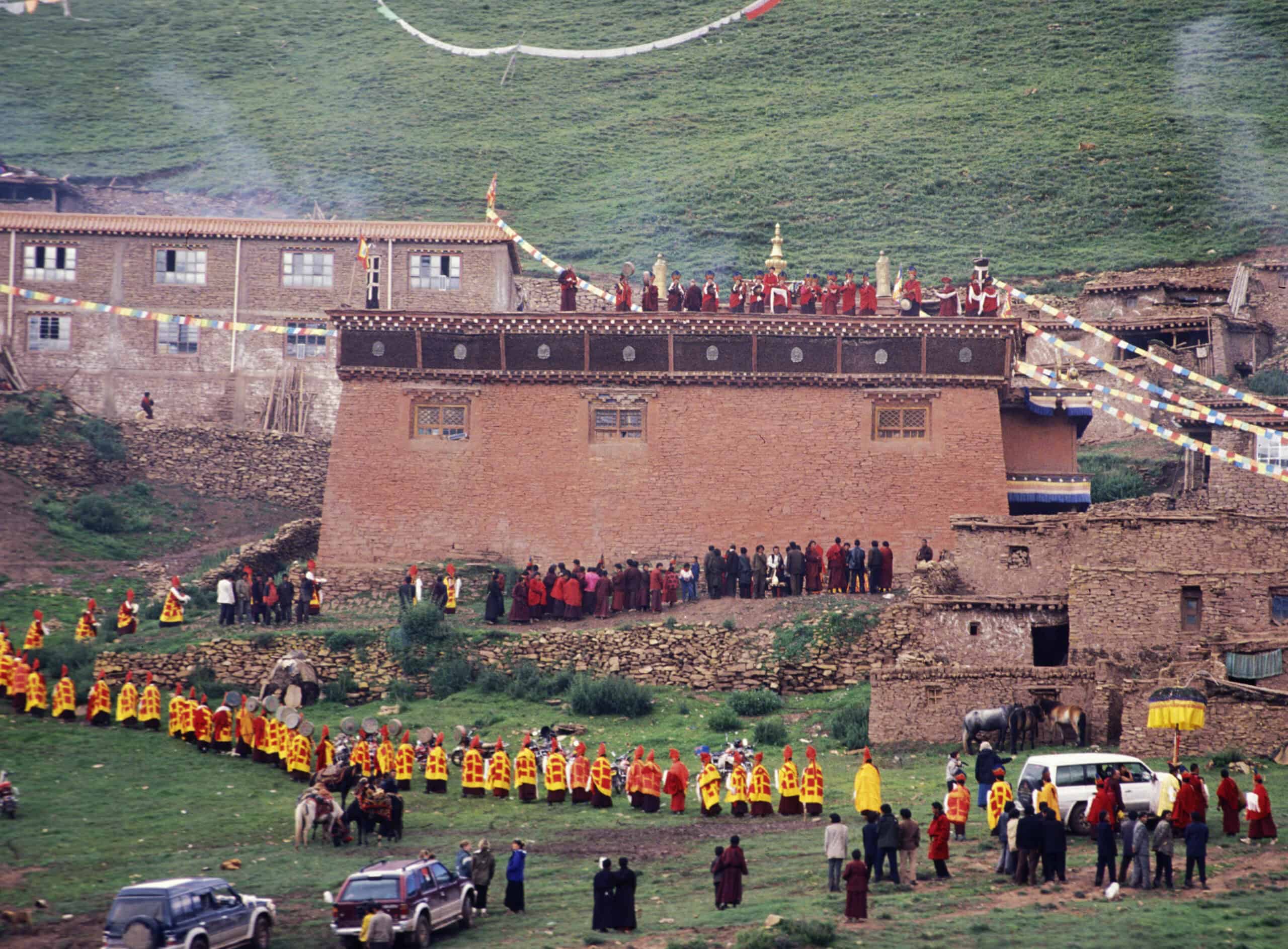
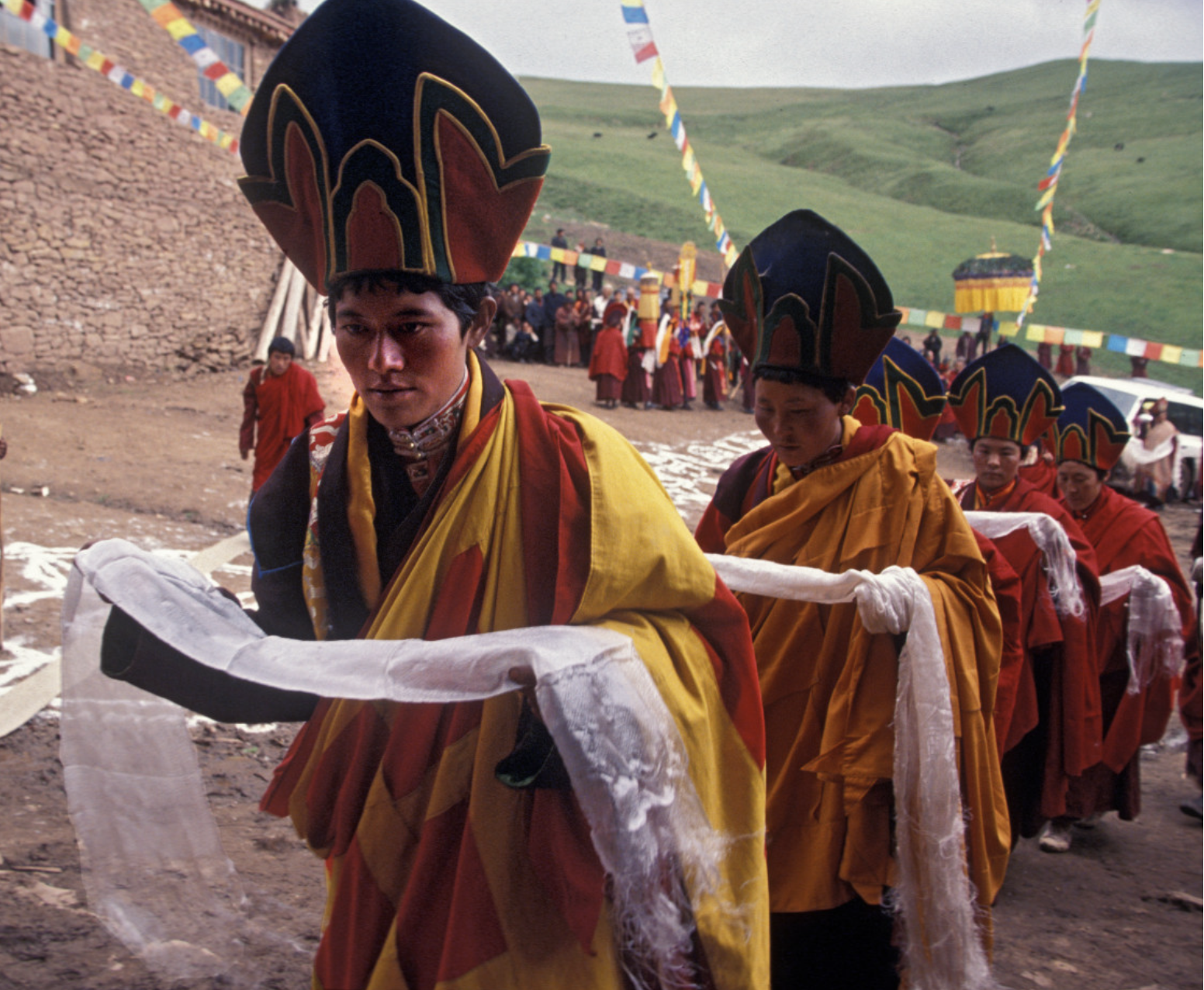
“One of the most profound things that struck me upon visiting Gechak, was the tangible devotion the anis felt and displayed upon meeting this third incarnation of Tsoknyi Rinpoche. For the first time. They had never met him! They had never seen him in person or on any kind of video, nothing. The level of realization and accomplishment of their practice rested upon this sincere devotion. Because I was a new practitioner, I was totally dependent on the ‘person’ Tsoknyi Rinpoche. This was a direct introduction to the power of lineage fueled by devotion.”
–Brady Hogan
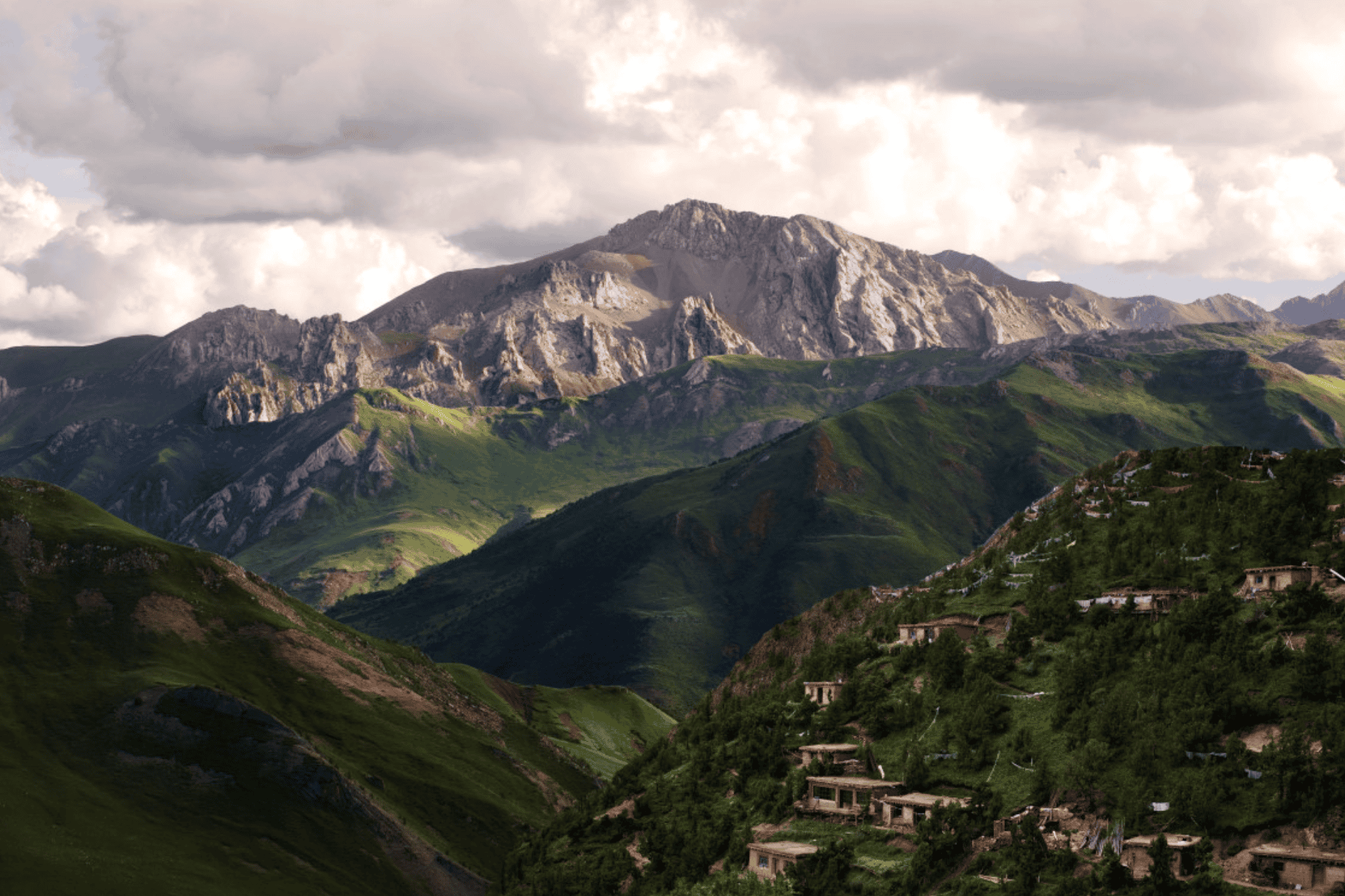
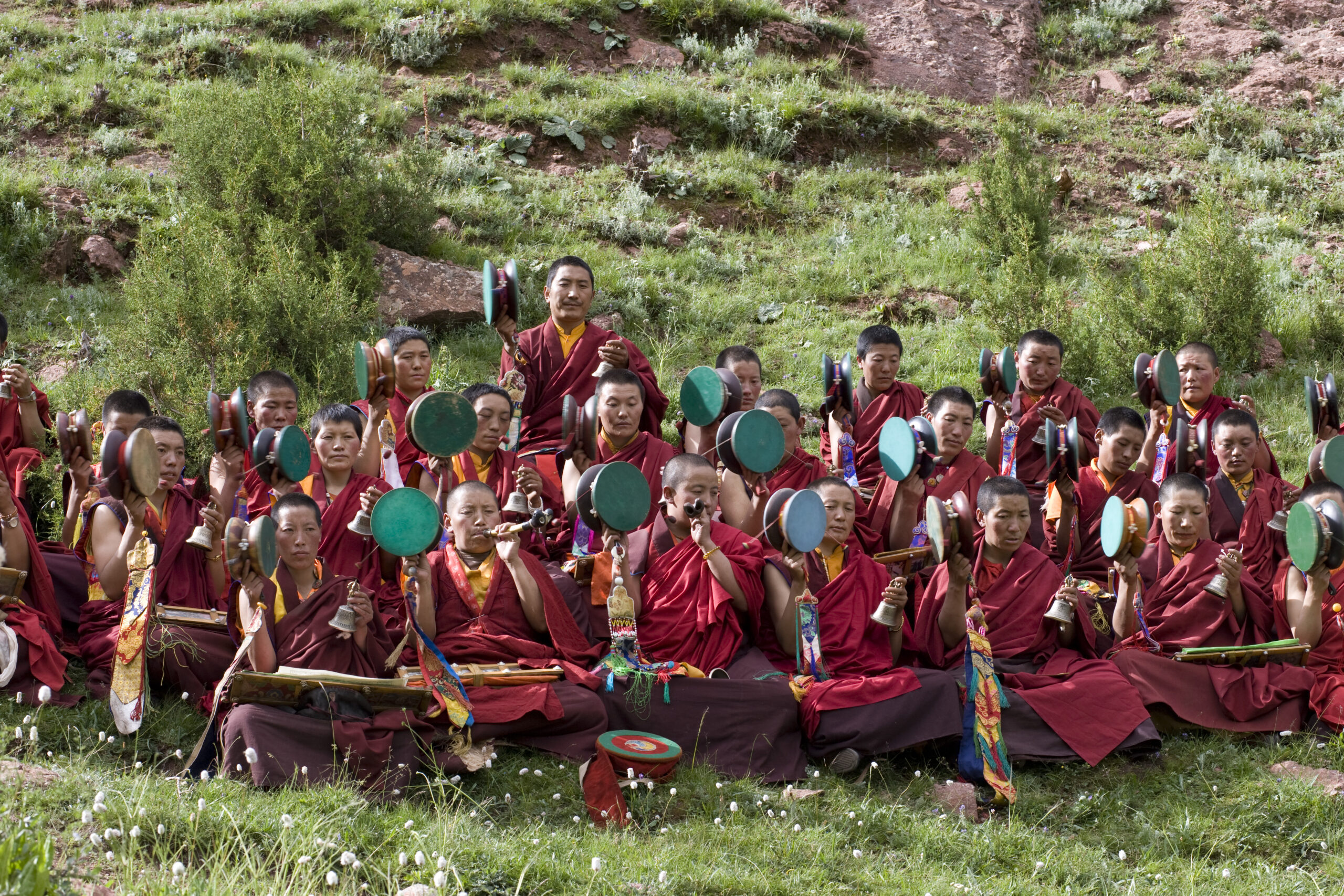
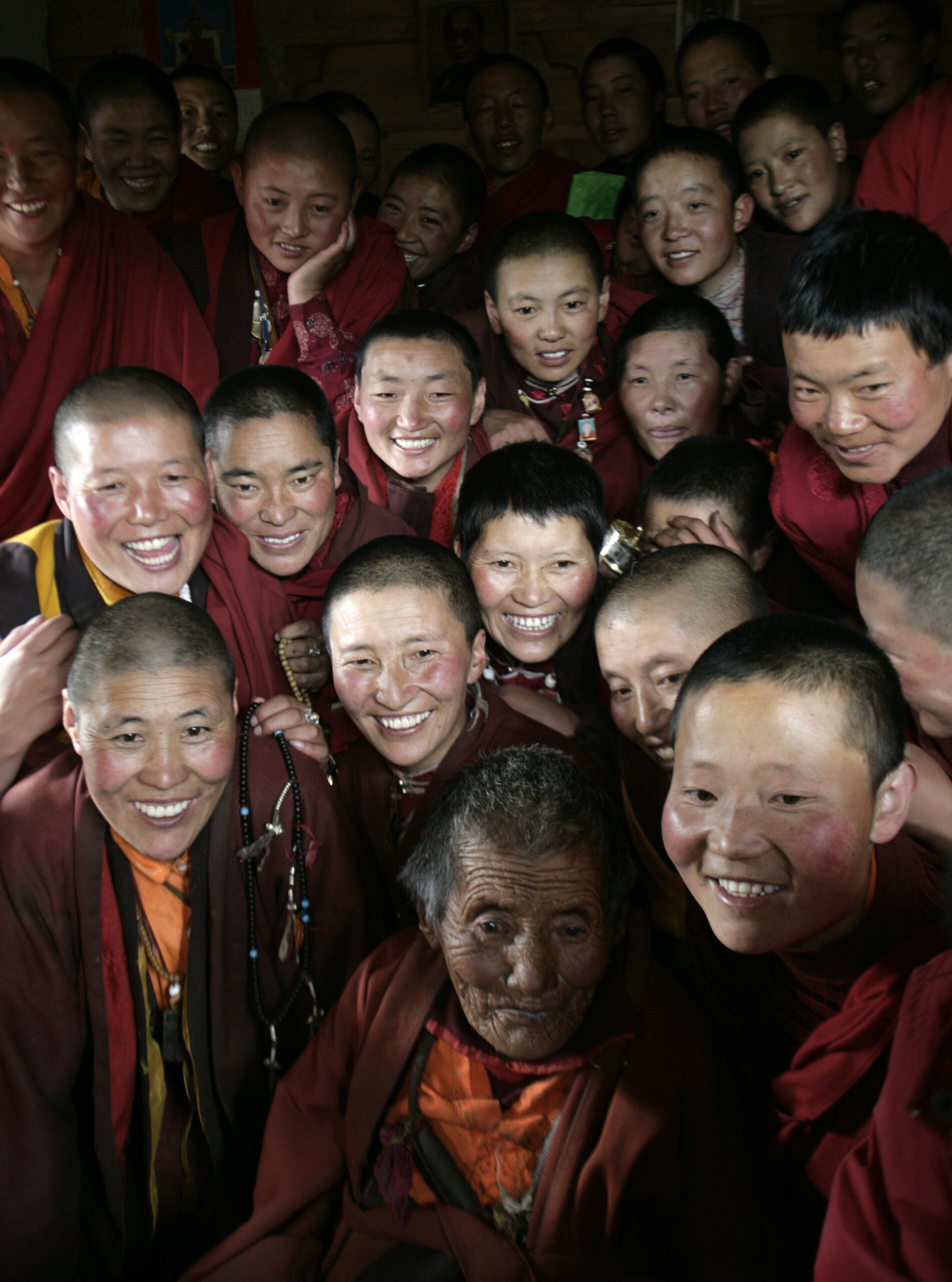
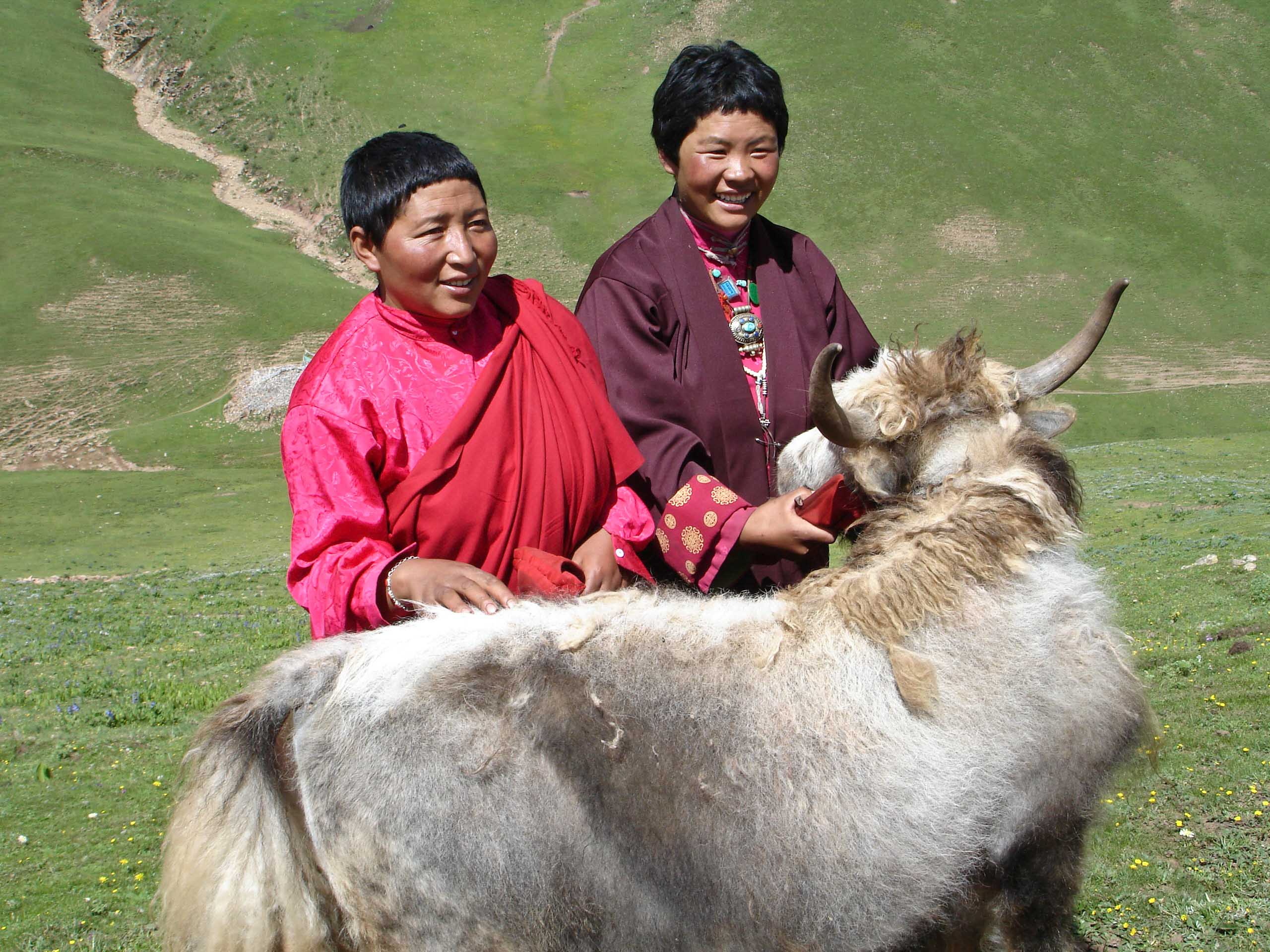
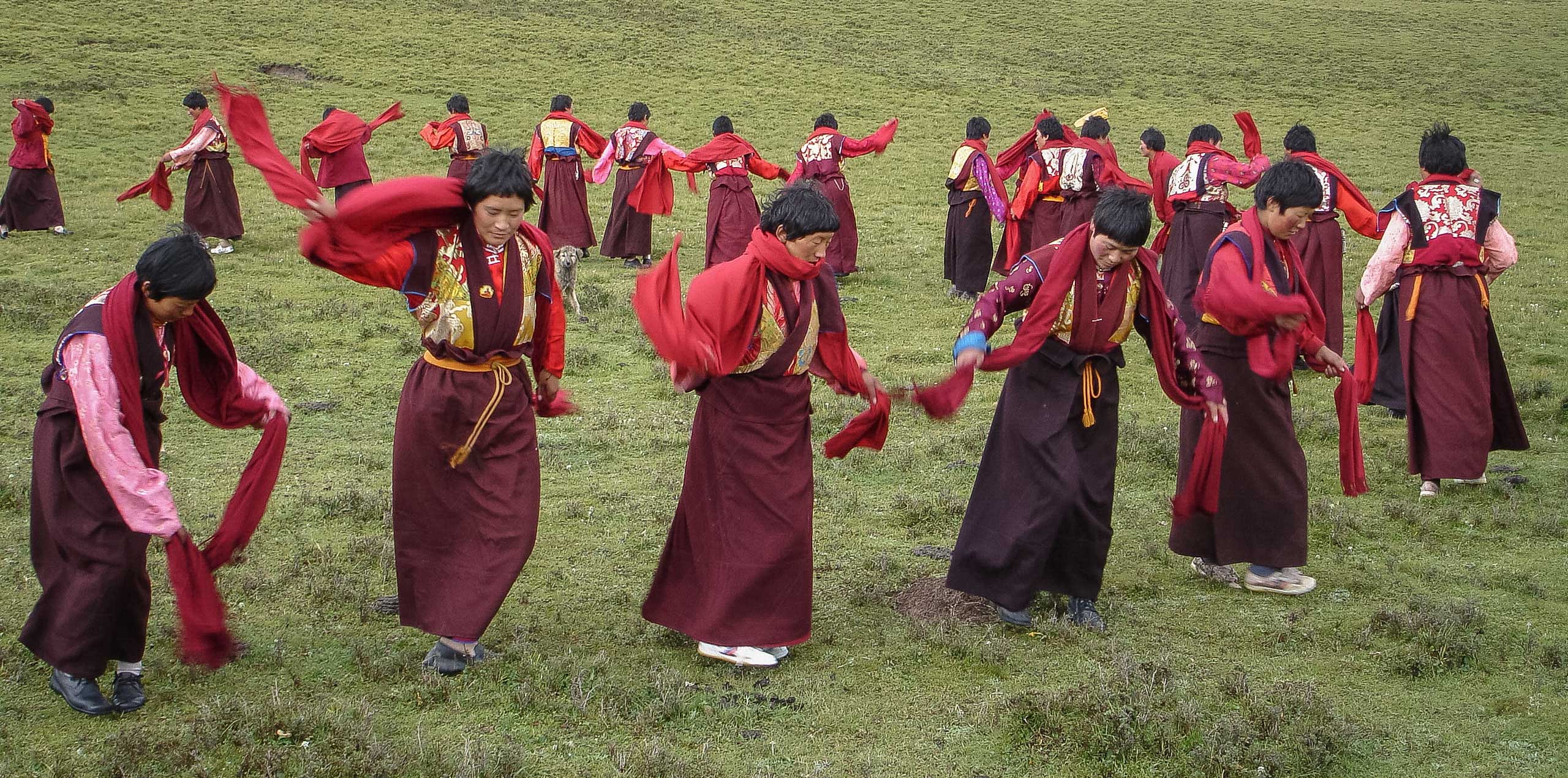
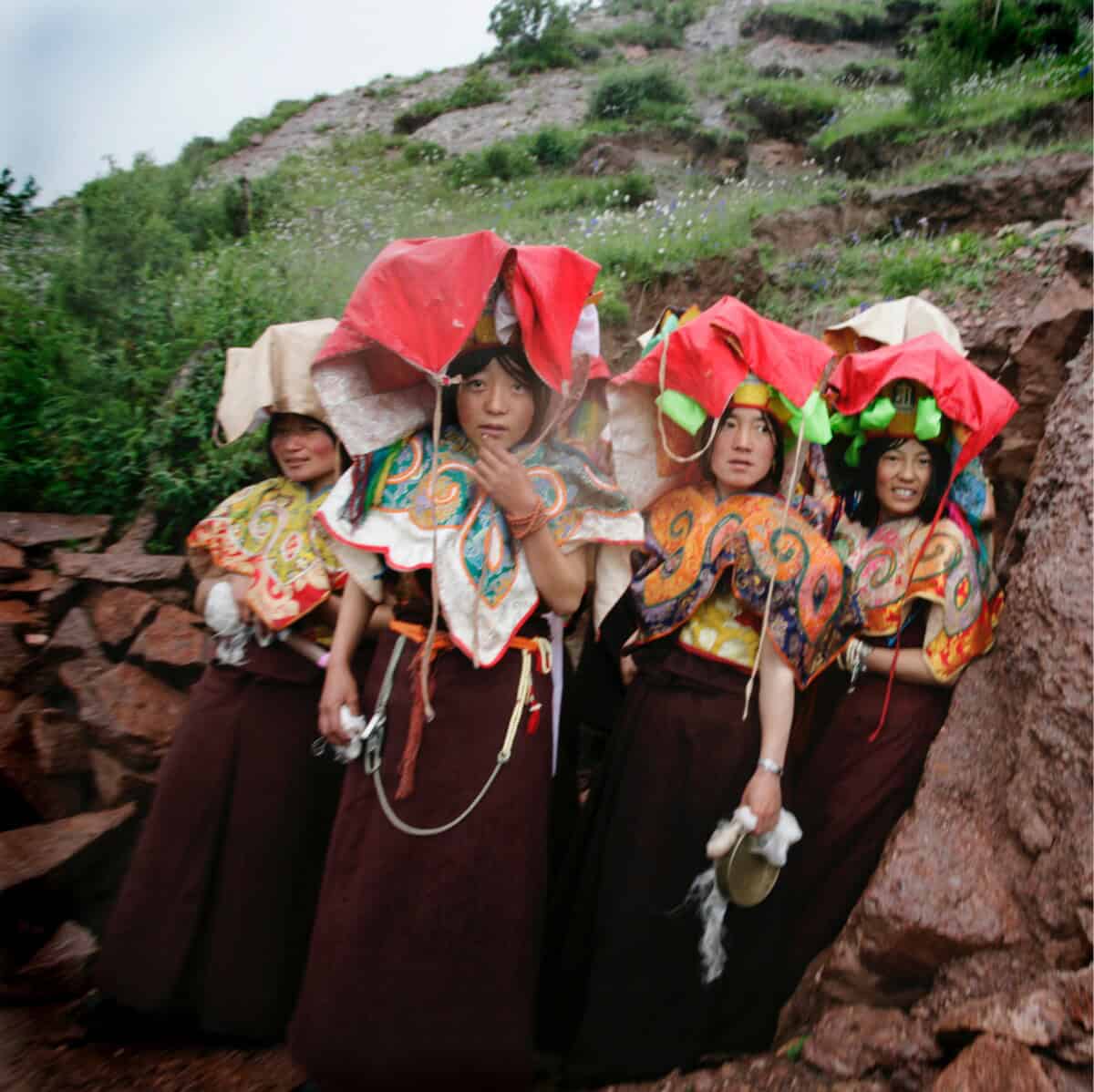
“The nuns are so wonderful, their lightness, dedication, laughter, and sheer presence is a gift to this world; in ways, much like Tsoknyi Rinpoche. The juxtaposition of their spirituality, rugged beauty of the surroundings, and hardy way of life while joyfully coexisting, will always stay with me, illuminating what really matters. Our journey, the people we traveled with, the people we met, and all I learned were pivotal in my growth and trajectory as a being and how I try to approach life, and continue to fill me with gratitude.”
– Emily Green
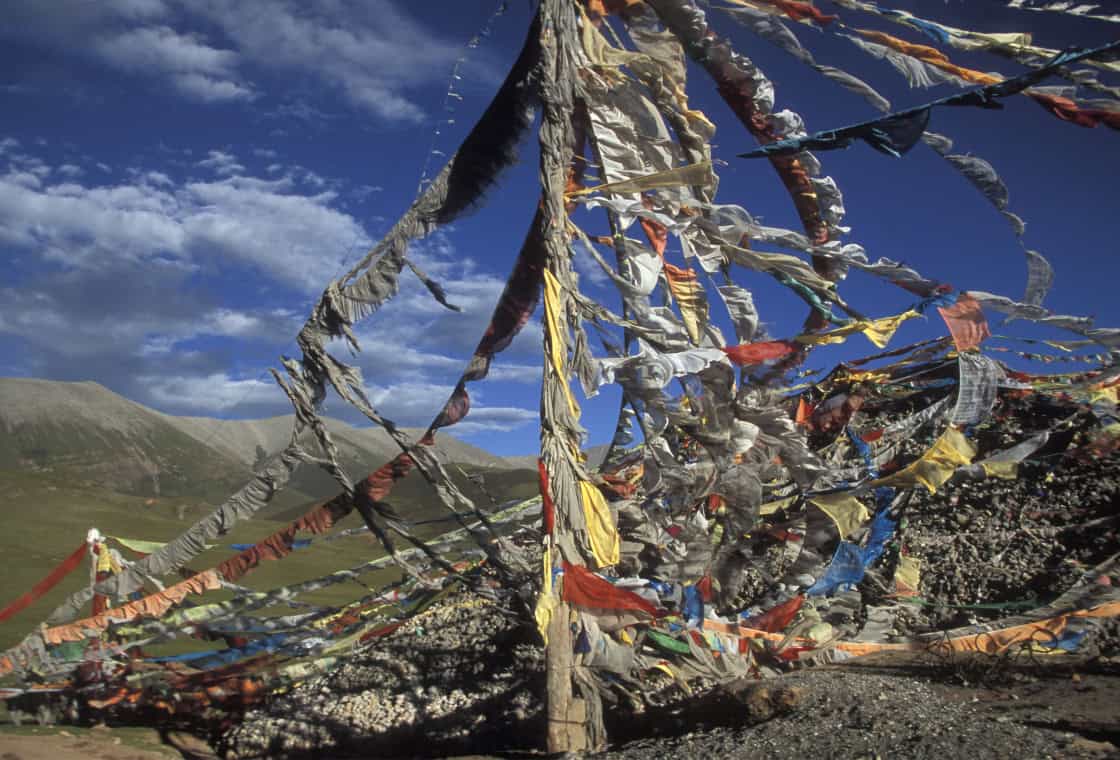
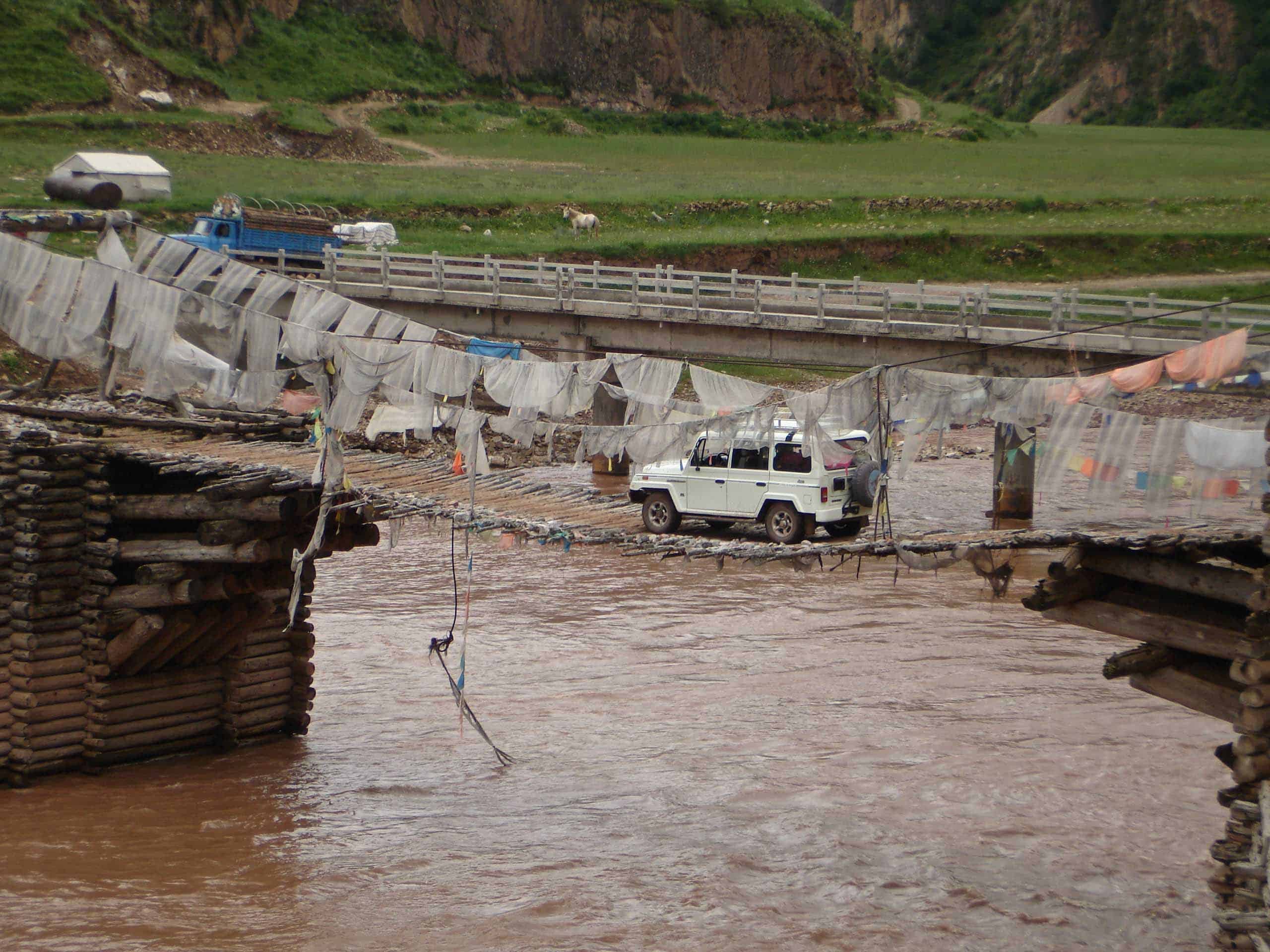
“When Vicki invited me to join the crew to film the Tsoknyi Nangchen Nuns, I couldn’t believe my dream of going to Eastern Tibet was now possible. What followed that excitement was apprehension, could I physically and emotionally manage such an arduous and perilous journey? The journey was even more challenging than I had imagined and the environment even more wondrously magical. Reaching high altitudes, no reference points familiar, everything slowed down, it was if I could open my mouth and swallow the endlessly stretching blue sky.
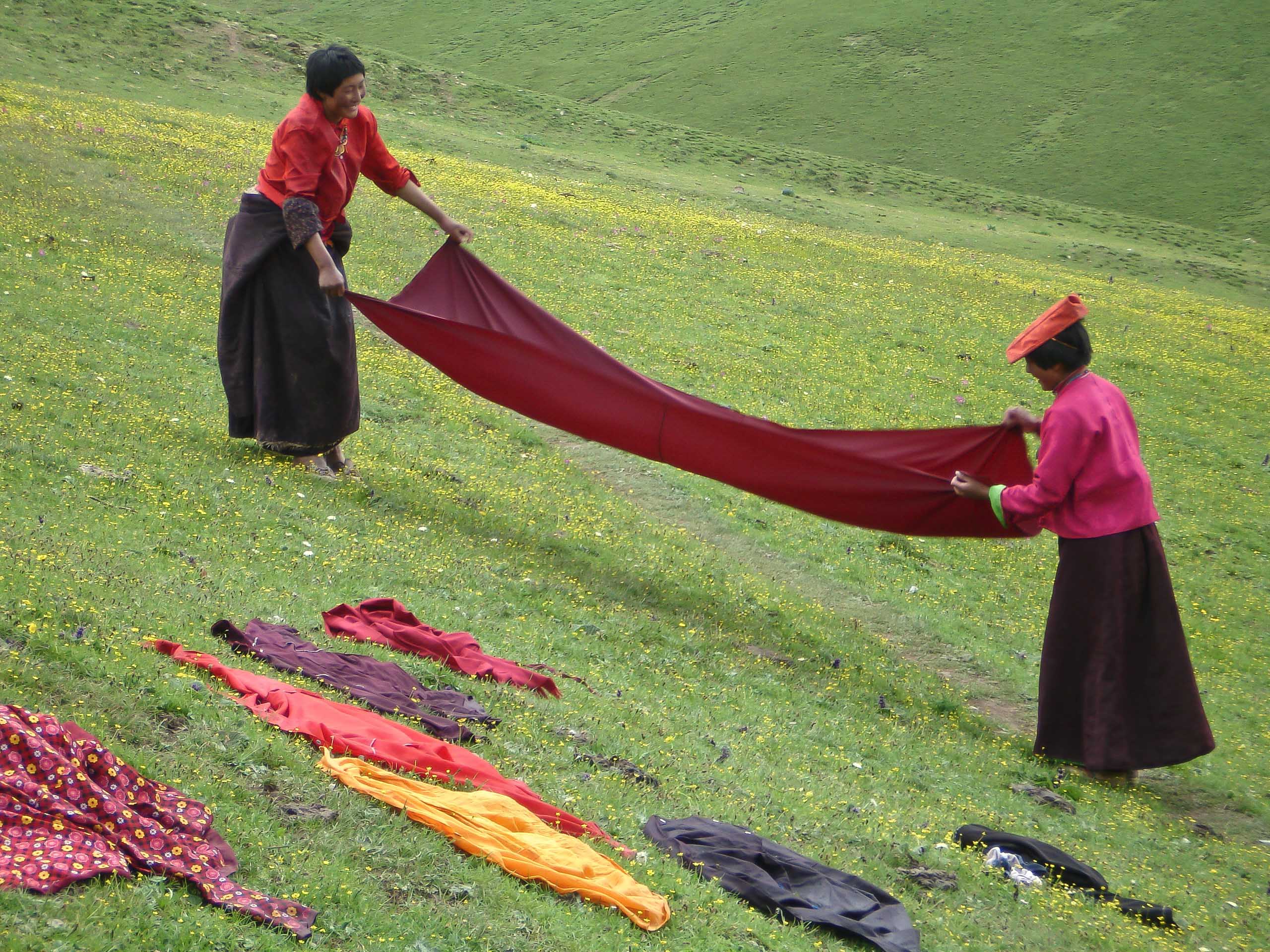
One day I was filming a small group of nuns washing their clothing in a nearby brook. As I approached, I could hear them chanting Om Mani Pema Hum. The chanting sounded like the humming of bumblebees, but it wasn’t only the nuns chanting, water washing over the mani stones and even the birds chirping and the breeze blowing all were the sound of mantra. What I came away with from the journey is for the nuns (and me when I can remember) all of life is infused with blessings…”
– Barbara Green
“Looking back now, Blessings is more than just a documentary—it’s a living thread that still runs through my life. The inspiration I received from those nuns continues to nourish me. When others tell me how deeply the film moved them, I feel a quiet joy. Their story, of devotion, discipline, simplicity, and inner freedom, still matters. It reminds us of what’s possible, not in some faraway land, but here and now, in the choices we make and the way we live today. It’s been twenty years since that journey to Nangchen, yet one moment that remains especially vivid for me is the day we met Sherab Zangmo, and the other senior nuns at Gechak Gompa. Wangdak Rinpoche guided us and translated, generously helping us bridge world
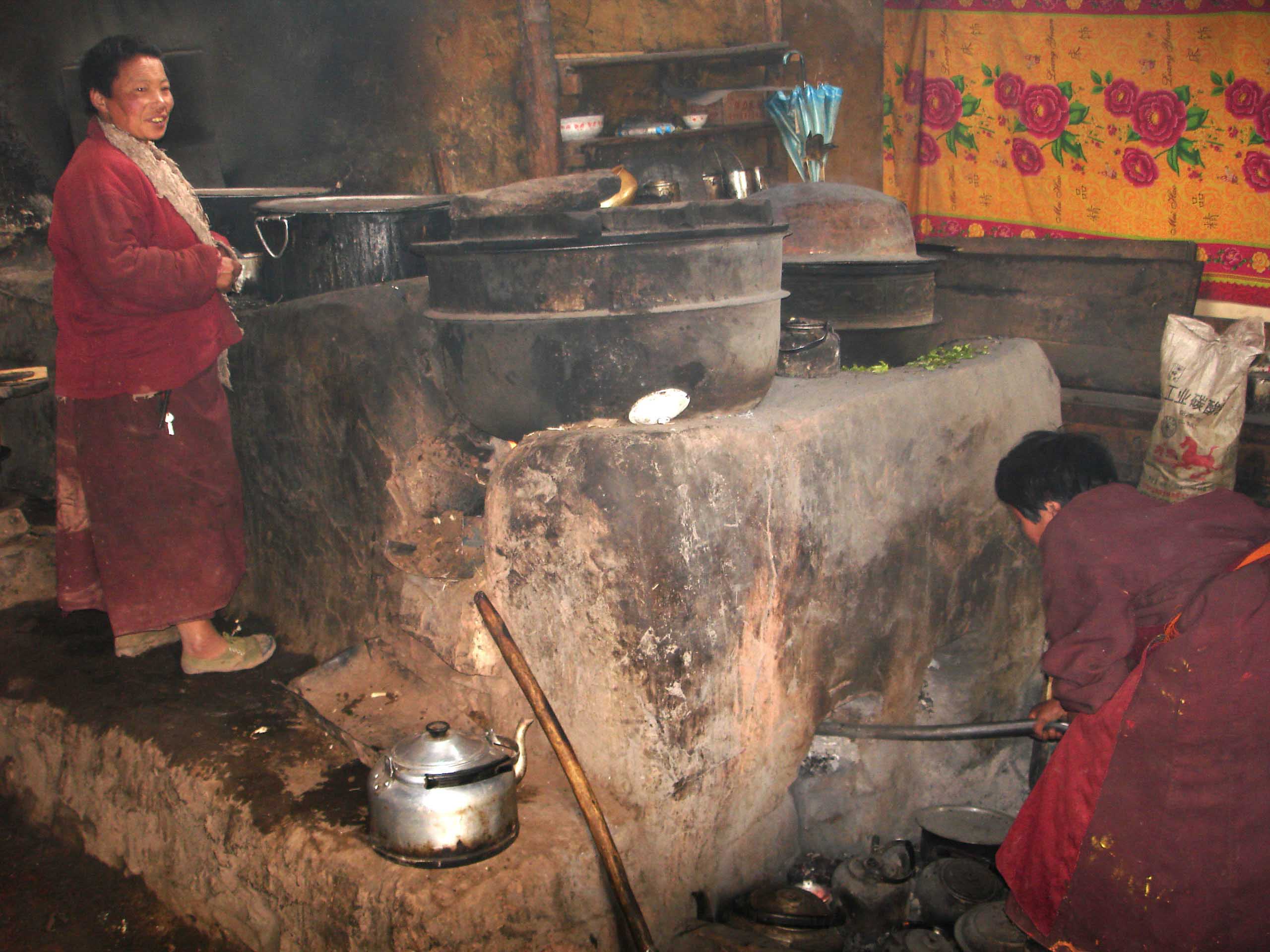
Among the nuns we met that day was one who had entered the community later in life, possibly in her twenties, rather than as a young girl like most of the others. That detail struck a chord with me. So much of what we witnessed at Gechak felt distant, almost unreachable: beginning monastic life as a child, committing to an all-consuming path of practice from the very start, with few options beyond becoming a nun or marrying. But here was someone who, like me, had found the Dharma as an adult. What touched me most was how she described her practice—not as separate from her duties, but fully interwoven with them. While the nun she cared for practiced all day in formal meditation, she decided to see everything she did as practice no difference from their practice. Grinding barley for tsampa, cleaning, washing clothes, all of it was her practice. She didn’t see these tasks as mundane or lesser. That was heart advice I could take with me. I wasn’t going to meditate 24/7, but I could aspire to bring practice into everything I do, to infuse daily life with awareness and meaning.
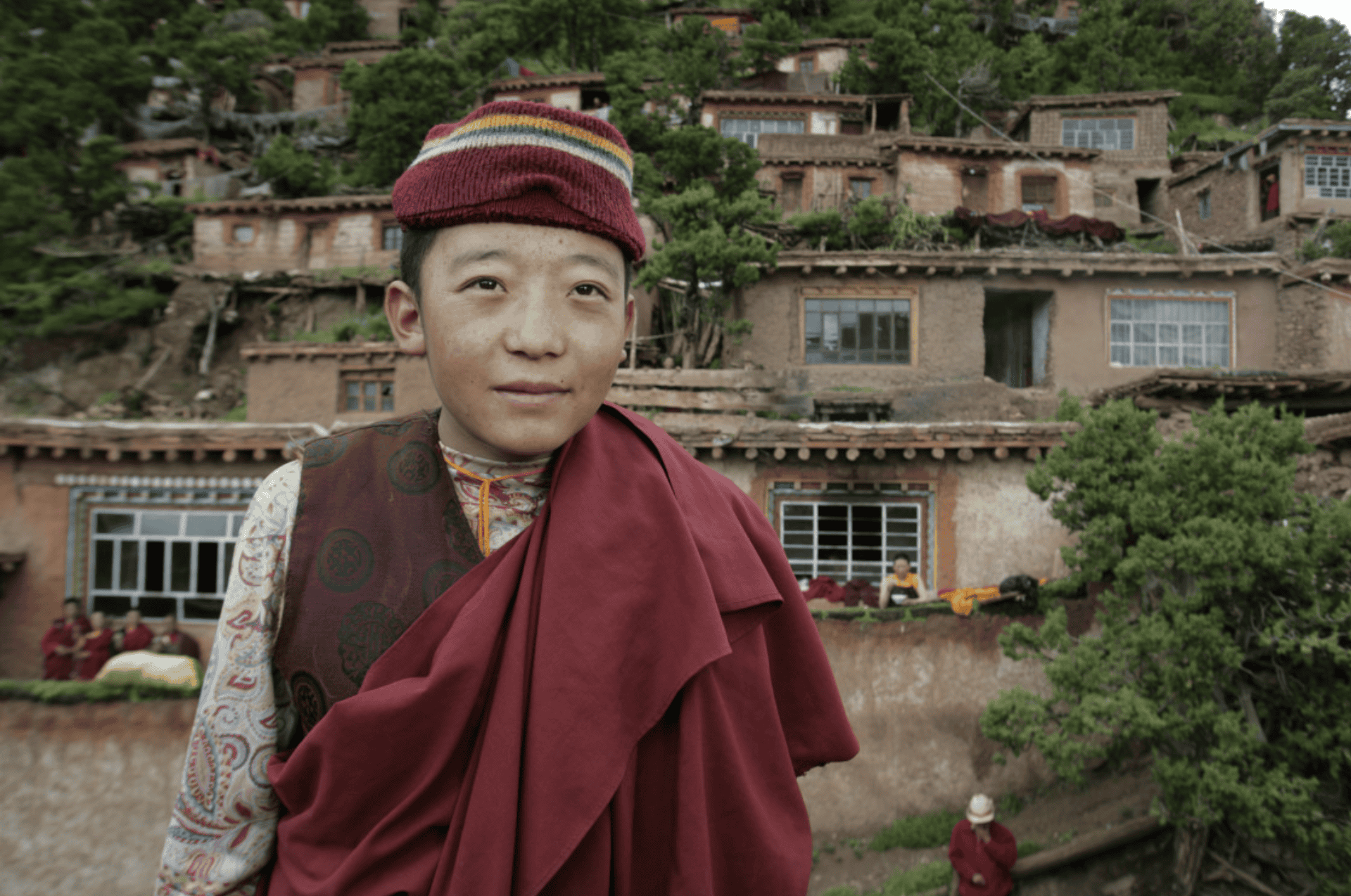
Encountering the Tsoknyi nuns changed my understanding of what devotion looks like. Their commitment was unwavering, yet their presence was marked by ease, simplicity, and courage. I I never remember seeing any of them rushed or stressed. Despite their rigorous path and the intensity of their goals, they carried themselves with a quiet grace that left a deep imprint on me. It helped me see that real commitment to the Dharma doesn’t need to be heavy or strained—it can be light, even joyful.”
– Fionnuala Shenpen Daffy
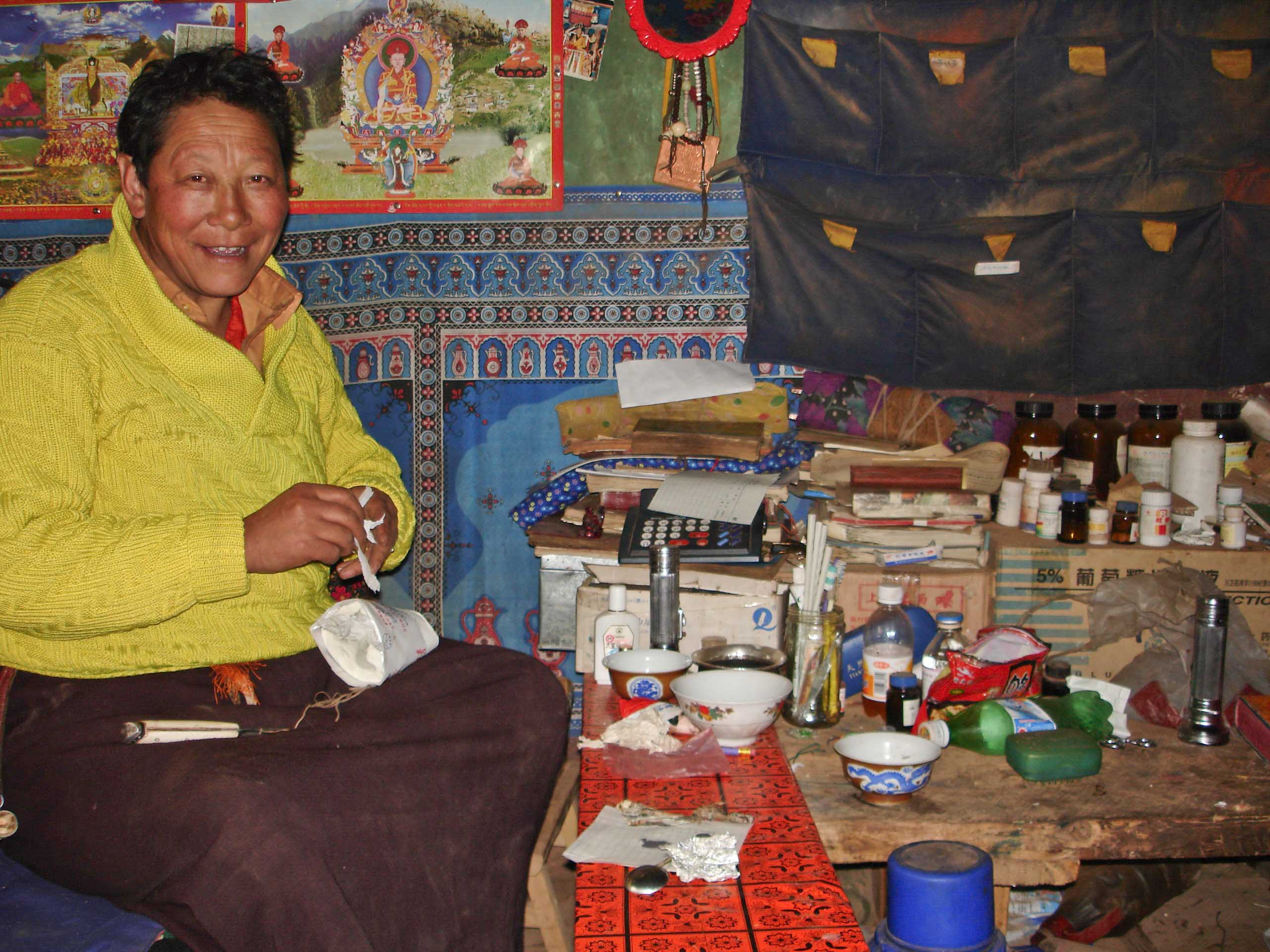
“On our last day at Gebchak, our group was invited to visit Sherab Zangmo, an older nun who was the head teacher and who, we had been told, was fully realized. After a profound and moving audience the group, except for Barbara Green, all left. I was outside filming her hut when Sherab Zangmo’s attendant appeared in the doorway and beckoned me back in. I joined Barbara inside and for the next forty-five minutes we entered another realm, earthy and otherworldly at the same. With no common language, we communicated through touch, through our eyes and later through mantra. We sat next to Sherab Zangmo who was reclining in her wooden box licking yoghurt from a wooden bowl. Using sign language, we asked if we could film, and were told yes. Sherab Zangmo, whose eyesight was dim, held out her bowl and offered us a taste of her yoghurt. She became fascinated by the hair on my arms and she slipped her thin arm out of her chuba to show us there was no hair on hers.
Then, after an exchange with her attendant, the energy suddenly changed and she sat up straight, looked directly at us with a gaze wide open as infinite space and said something short and fierce and then began chanting mantras: Avalokiteshvara, Tara, Manjusri, and Vajrayogini. We passed the camera back and forth and he clasped the hand of whoever was not filming with a warm and very firm grip as we chanted softly along with her. Throughout it all, she never stopped turning her large prayer wheel. The light was fading as she began the long Vajrasattva mantra, a moment that is included at the end of Blessings. When we emerged into the evening light, everything was glistening, surreal, luminous and joyful. We sat down with a group of young nuns on a nearby grassy hill and smiled and lolled about, laughing, and shared a package of gum with them.
Years later I asked Tashi Gyaltsen, our guide on the journey, what was said in the exchange between Sherab Zangmo and her attendant. He watched the film clip and burst into laughter. It turns out, Sherab Zangmo asked her who we were, and her attendant answered, “They are students of Tsoknyi Rinpoche. They are old like you.” It was then that Sherab Zangmo sat up straight and gave us the pith instruction, “You are old. You have no time to waste. You need to recognize the nature of your own mind and practice. Now.” Then, through chanting the mantras, she gave us all the blessings we needed to do just that. It is that moment that has stayed with me for twenty years. In that moment, it felt as though Sherab Zangmo gave me a direct transmission to stop messing around and commit to walking the path of liberation for the rest of my life, no matter how rocky it gets. For that, I am truly grateful.“
– Victress Hitchcock
Download the Original Booklet
Access the original Blessings print booklet, featuring historical background, reflections, and images:
Download the Facilitator’s Guide
Download the Facilitator’s Guide for background on Buddhism, Tibetan history, the Tsoknyi Lineage, and the lives and practices of the Nangchen nuns.
As the film continues to touch audiences two decades later, filmmaker Victress Hitchcock reflects on the extraordinary journey and its lasting impact in a recent Lion’s Roar feature.
Tsoknyi Rinpoche’s commitment to women’s spiritual education continues through his humanitarian work in Nepal. If you’re interested in supporting these efforts, please visit tsoknyinuns.org/donate.
“Training in Buddhist wisdom, practice, and study, helps bring out the fullness of human goodness- loving kindness and compassion, and the realization of ancient wisdom.
Every human being has this human capacity and intelligence. Nuns such as these will serve as models for the world. In short, what is most essential is that the living dharma is being preserved by practitioners who will be the living embodiment of those teachings. From this group of Tsoknyi nuns, some will go on to become great human beings, like saints; the world needs the love and compassion that is expressed by practitioners like these.”
– Tsoknyi Rinpoche
The Tsoknyi Nuns in Nepal
In the 1990s, small groups of nuns trekked from the remote region of Nangchen to Kathmandu – a journey of thousands of miles across the harsh Tibetan plateau and over the seemingly impassable Himalayas – to meet Tsoknyi Rinpoche III and ask for help. Their situation in Tibet had become both unbearable and dangerous. They were desperate to find a safer place to continue their practice.
While several Nangchen nuns who walked to Nepal returned to Tibet, many remained. They moved to Chobar Hill, outside of Kathmandu, to help Rinpoche create a permanent home for the Tsoknyi Lineage in Nepal and to form the core of what would later be called Tsoknyi Gechak Ling.
In 2010 Tsoknyi Rinpoche visited his ancestral home in the Nubri region of Nepal for the first time since he was a young boy. Rinpoche, in a speech to gathered villagers, expressed his wish to educate and care for some girls at his monastery on Chobar Hill. Due to their trust and confidence in Tsoknyi Rinpoche, the villagers responded by sending 82 of their young girls. It is a high privilege to be entrusted with the care and education of the young girls and women of the Nubri region, and Rinpoche accepts this responsibility with love and compassion.
Today over 350 nuns are receiving a fully modern education, along with traditional training in Buddhist philosophy, ritual, and practice. Thanks to the love and support of thousands of people across the globe, the Tsoknyi lineage nunneries are models for integrating modern pedagogy and curriculum development with Buddhist ancient wisdom. To all that meet them, the girls and women of Tsoknyi Gechak Ling and Tsoknyi Gargon Ling naturally convey a sense of dignity, inner peace, and compassion. Their future as practitioners, community members, and teachers around the world is bright and inspiring. The lineage is once again flourishing under the wise guidance of Tsoknyi Rinpoche III.
To learn more about the Tsoknyi nuns in Nepal please visit tsoknyinuns.org.