

Tsoknyi Rinpoche’s activity in the world begins with the Dharma. His primary offering is the transmission of authentic teachings rooted in the living traditions of Tibetan Buddhism. Yet his commitment extends far beyond the meditation hall. Rinpoche actively supports a range of projects that serve both spiritual and secular well-being.
Each project reflects Rinpoche’s deep intention to benefit beings in practical and lasting ways—preserving wisdom, nurturing compassion, and supporting the conditions for awakening in diverse and changing times.
Preserving Sacred Traditions
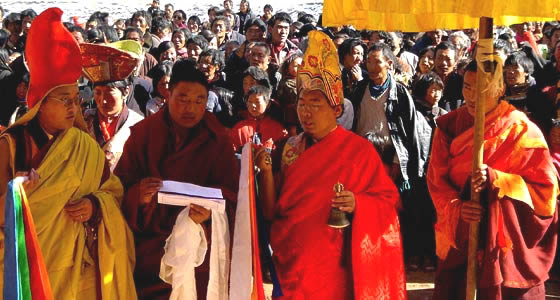
Rinpoche’s Heart Project: The Tsoknyi Nuns
With roots in the remote region of Nangchen in Eastern Tibet, the Tsoknyi Lineage Nuns continue an ancient tradition of female yoginis and highly accomplished practitioners. Rooted in the vision of Drubwang Tsoknyi Rinpoche I this lineage was established to ensure that nuns had the same access as monks to the most advanced teachings and practices of Vajrayana Buddhism and to set the conditions for enlightenment in female form
This revolutionary legacy lives on today through the compassionate leadership of Tsoknyi Rinpoche III, recognized as the third incarnation in this lineage. Rinpoche now supports a vibrant community of nuns in Nepal, offering them the opportunity to train, study, and prepare to guide others in the practice of Dharma.
As this is a particularly important project, we maintain a dedicated website in support of it. Please visit it here: Tsoknyi Nuns website.
You can Request Prayers of the Tsoknyi Nuns
“The nuns embody the full richness of Buddhist love, compassion and wisdom in female form. It’s quite rare, I think. If this light of tradition is gone from this earth, even though we have texts, the experiential warmth and blessings of this living women’s tradition is gone forever.”
— Tsoknyi Rinpoche III
Tsechu Gonpa
Tsoknyi Rinpoche helped to fund the building of a kitchen and dining hall at Tsechu Gonpa (the monastery of his late teacher, Adeu Rinpoche). He also helped to build the a shedra and provides financial support for the two resident khenpos.
First and Second Tsoknyi Temples
Rinpoche completed the rebuilding, construction, and dedication of the First Tsoknyi Temple (the site of Tsoknyi Rinpoche I’s enlightenment) and the historic Second Tsoknyi Temple, at his late teacher Adeu Rinpoche’s request.
Lachab Gonpa
Rinpoche has provided support shedra students at Lachab Gonpa, the seat of his father, Tulku Urgyen Rinpoche.
Tashi Jong
From 1997 to 2000, Rinpoche served as president of Tashi Jong, the Dharma seat of Khamtrul Rinpoche. Some of his contributions to the community were to fund the construction of 43 new rooms for about 130 monks, and three wells, providing a much-needed water supply system for the surrounding lay community, serving about 500 people. Rinpoche continues to support the community at Tashi Jong through the generosity of his students worldwide.
Preserving Sacred Lineages and Texts

Drukpa Kagyu Heritage Project
Inspired by Khamtrul Rinpoche VIII (Dongyu Nyima) and under the guidance of Adeu Rinpoche, a pre-eminent scholar, Tsoknyi Rinpoche gathered in one collection for the first time the major texts of the Drukpa Kagyu lineage masters. Many of these texts were on the verge of being lost or had been badly damaged. This painstaking effort, begun in 1993, has produced 108 definitive editions so far, of which 500 sets were printed. Our gratitude to Tony Duff for his effort in designing special Tibetan fonts and transcribing much of the material. These rare texts have been distributed to Drukpa Kagyu practice centers and hermitages worldwide, ensuring that these teachings will be available to future generations of Dharma practitioners.
Tsoknyi Lineage Teachings
Transmissions and teachings by lineage masters are essential for the preservation and dissemination of profound oral traditions. In 2004, Tsoknyi Rinpoche organized and sponsored a two-month-long transmission of the Tsoknyi Lineage of Terton Ratna Lingpa by Adeu Rinpoche, who was the greatest living master of these teachings. This event was held in the Nangchen Region of Tibet and was attended by 900 monks and nuns. In 2005, Rinpoche organized a six-month-long special teaching by Adeu Rinpoche on the Six Yogas of Naropa for about 80 yogis from 30 practice centers and hermitages.
Tsoknyi Lineage Texts
The complete teachings of the Tsoknyi Lineage of Ratna Lingpa are being collected and edited for the first time. These will be printed for and distributed to the thousands of practitioners in this lineage.
Creating New Practice Centers
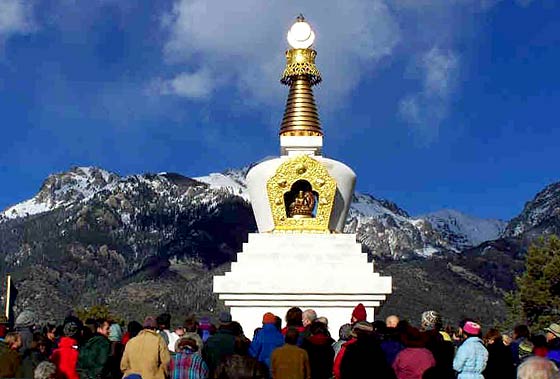
The Enlightenment Stupa ~ Jangchub Chorten
In the West – Yeshe Rangsal Retreat Land
Yeshe Rangsal (self-cognizant wakefulness) is Pundarika’s 55 acres of secluded retreat land in Crestone, Colorado. The Enlightenment Stupa (Jangchub Chorten) was built in 2005 at the heart of the land, and a shrine to Dorje Yudronma (protectress of the land and Dzogchen practice lineages Rinpoche holds) was completed in 2010. The retreat land is also home to Pundarika Teaching Tent, a hall for larger groups to gather and receive Rinpoche’s teachings, and three single retreat cabins and a two-bedroom residence are available for personal retreat. Rinpoche’s new small and lovely residence (Zimchung) is located adjacent to the retreat land.
In the East – Malaysia Dharma Centers
Rinpoche established three Dharma centers in Malaysia where he can give teachings and guide retreats.
Himalayan Children Education project
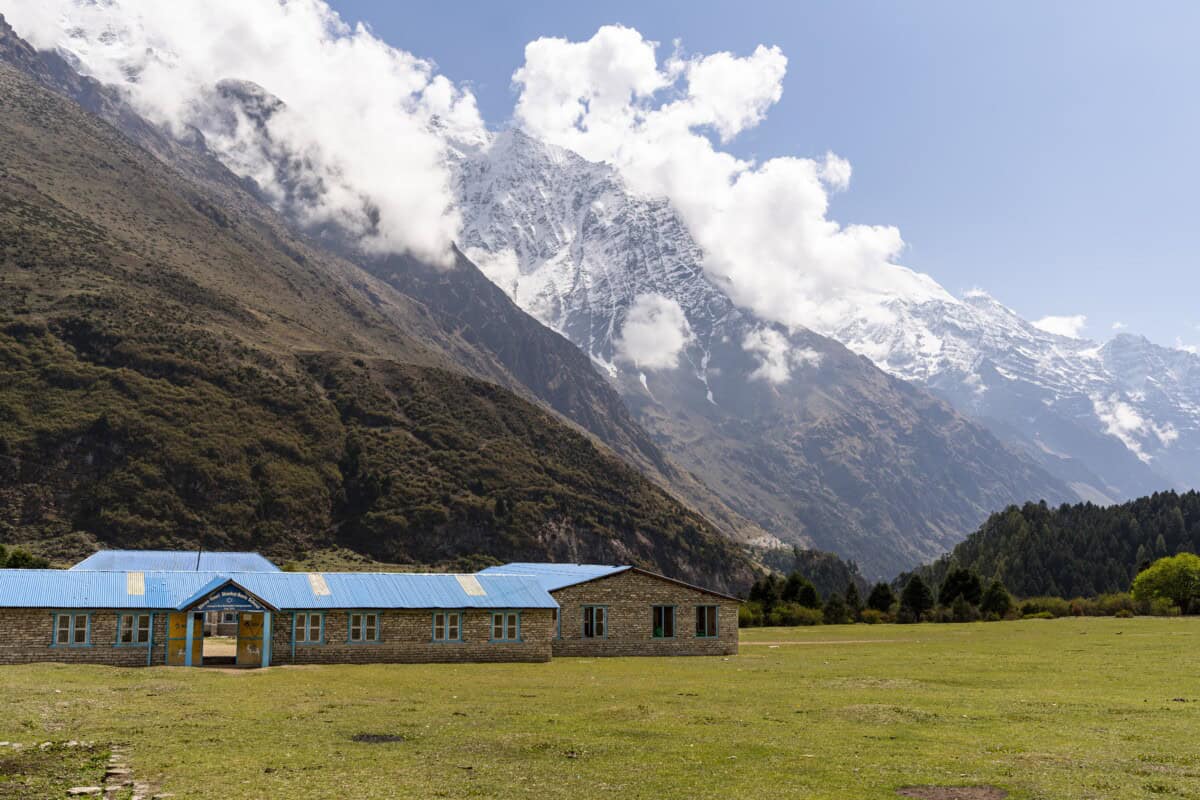
Tsoknyi Rinpoche’s two main secular education initiatives bridge the gap between rural isolation and long-term opportunity: a primary school in Sama village and a continuing education project in Kathmandu that supports graduates of the school in Sama beyond grade 5. These projects provide education, nourishment, and care—empowering young people to grow and thrive while remaining rooted in their cultural heritage.
“Education is the proper way to promote compassion and tolerance in society.”
— His Holiness the 14th Dalai Lama
Gauri Shankar Basic School
Located in the remote Himalayan village of Sama, in the shadow of Mount Manaslu—the world’s eighth-highest peak—Gauri Shankar Basic School provides access to quality, culturally relevant education from grade 1-5 for children in the Nubri Valley.
With the ongoing support of Tsoknyi Rinpoche, the school offers far more than academics. Students receive nutritious meals, safe boarding, and a curriculum that blends the Nepal national standard with Tibetan language, local culture, nature conservation, and vocational skills. The goal is to build both academic foundations and a deep connection to local heritage before students leave for further education in the cities.
A Local Solution to Early Migration
In many Himalayan communities, children are sent to faraway cities for schooling at a very young age. But studies show that this early educational migration can take a toll on their physical and emotional well-being. Gauri Shankar offers an alternative—allowing children to grow and learn in their own community while developing pride in their cultural identity and family livelihoods.
Currently, 57 students are enrolled in the primary school, with an additional 35 in kindergarten. The school’s leadership hopes to eventually expand through grade 10, empowering students with greater local opportunities and reducing dependence on distant, urban institutions.
Long-Term Vision
Gauri Shankar’s long-term aim is to offer education through grade 10, with a curriculum that prepares students for both higher studies and meaningful work in their home region. The school also strives to foster parental involvement and cultivate students’ appreciation for Tibetan culture, mountain life, and local livelihoods—before they transition to urban life.
By strengthening Gauri Shankar Basic School, we invest in a more compassionate and resilient future—one where children can learn, thrive, and carry forward the richness of Himalayan culture, right from the mountains they call home.
Supporting Himalayan Students Beyond Primary School
Tsoknyi Rinpoche launched an educational initiative in 2017 to support the graduates of the Gauri Shankar school through secondary school. As part of that ongoing effort, the Boudha Youth Hostel was established in 2022 to provide a safer, more nurturing environment than boarding schools typically offer.
Students live together in the hostel while attending reputable private schools in Kathmandu, receiving full scholarships and holistic care. The program began with just six students and has steadily grown. One recent graduate has returned to Sama to teach—offering a glimpse into the project’s long-term impact.
A Holistic Approach to Learning and Life
The hostel provides far more than just housing. Students receive mentorship, nutritious meals, academic guidance, emotional care, and a safe environment in which to grow. These resources foster not only academic success, but also confidence, independence, and long-term opportunity.
The team supporting the students is small but dedicated. Raissa Distefano, Project Lead, manages the program locally in Nepal. Sonam Wangmo serves as the Hostel Manager, overseeing daily life. The team also includes one Didi (a Nepali term of respect for an older sister or trusted caregiver) who prepares meals and keeps the hostel clean. A few college students are also employed at the hostel, gaining income and experience while supporting operations.
Learn more about this project in this interview with Raissa DiStefano.
Rooted in Purpose, Growing with Intention
This project is deeply committed to supporting education, life skills, and professional development for students from the Nubri region. The goal is to provide a strong foundation so students can grow into capable, compassionate adults—and, when possible, give back to their home communities in fields like education, health, and cultural preservation.
In support of this vision, a new eco workshop was recently launched at the hostel. The project began with the creation of zero-waste shampoo bars, giving college students a platform to explore entrepreneurship and sustainability. Though still in its early stages, the workshop reflects a growing emphasis on creativity, self-reliance, and real-world skill-building.
Teaching the Dharma using Modern Technology
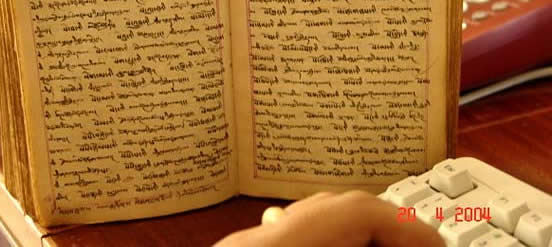
Fully Being
Over decades of interacting with modern students, Rinpoche has developed keen insights into the issues we face in facing in finding our own basic well-being and in establishing a healthy foundation for deep practice in the traditions of Tibetan Buddhism. Pundarika Foundation has worked in close coordination with Rinpoche to compile his advice in a modern package, and this effort is developing twofold: as an online course we call ‘Fully Being,’ which can be accessed here: FullyBeing.org, and through partnerships with institutions skilled at bringing secular teachings to people where they can be most impactful. This is a developing project with a large vision to support both students of Buddhism and those seeking ways to reduce obstacles to sustaining compassionate work in the world.
Books
Why We Meditate: The Science and Practice of Clarity and Compassion by Tsoknyi Rinpoche (co-authored with Daniel Goleman) bridges neuroscience and Tibetan Buddhist practice to explore how meditation can transform our minds and hearts . Offering accessible techniques grounded in traditional wisdom, the book provides concrete guidance for breaking habitual patterns, enhancing emotional well‑being, and cultivating compassion. It’s a powerful invitation to experience firsthand the clarity, resilience, and openness meditation can bring to every aspect of life.
Open Heart, Open Mind: Awakening the Power of Essence Love by Tsoknyi Rinpoche is a heartfelt guide that bridges ancient Dzogchen wisdom and modern life. Rinpoche reveals how each of us carries an innate “essence love”—a natural clarity and warmth often clouded by habitual patterns—and offers practical meditations and personal stories to help readers reclaim openness, courage, and freedom from fear and doubt. Drawing on his unconventional life path and clear, compassionate voice, he invites us to live with authenticity and compassionate presence.
Carefree Dignity: Discourses on Training in the Nature of Mind presents a series of teachings by Tsoknyi Rinpoche on the essential practices of Dzogchen and Mahamudra. With warmth, clarity, and humor, Rinpoche guides readers through the process of recognizing the nature of mind and stabilizing that recognition through meditation. Grounded in traditional Tibetan texts yet accessible to modern readers, the book offers deep insight into the path of inner freedom—marked by genuine confidence, compassion, and ease.
Fearless Simplicity: The Dzogchen Way of Living Freely in a Complex World is a collection of teachings by Tsoknyi Rinpoche that offers clear, accessible guidance on integrating the profound view of Dzogchen into everyday life. Drawing from the Tibetan Buddhist tradition, Rinpoche shows how to meet the challenges of modern life with openness, clarity, and compassion—emphasizing the natural ease of mind that underlies all experience. Both practical and profound, the book invites readers into a direct experience of awareness beyond distraction and complexity.
Ground, Path, and Fruition: Teachings of Tsoknyi Rinpoche on Mind and Mind Essence, offers a clear and structured guide to the advanced practices of Essence Mahamudra and the Thorough Cut (Trekchö) of Great Completion (Dzogchen). The book applies the classical ground–path–fruition framework to present complete teachings on both Kagyu and Nyingma perspectives. Special emphasis is placed on upadesha (foremost instructions), at the heart of these profound teachings
How Mindfulness Works: is a concise and accessible guide to understanding the essence of mindfulness from a Tibetan Buddhist perspective. With warmth and clarity, Rinpoche explains how true mindfulness is more than just present-moment awareness—it is a way to reconnect with the natural openness, clarity, and compassion of the mind. This short book offers both insight and encouragement for those looking to deepen their practice in everyday life.
Solid Ground: A Foundation for Inner Strength and Clarity offers practical, accessible guidance for stabilizing the mind and heart in uncertain times. Drawing from Tibetan Buddhist teachings and modern psychology, Rinpoche introduces foundational practices to help readers cultivate inner resilience, emotional balance, and a deeper connection to their own inherent goodness. Clear, direct, and compassionate, Solid Ground is an ideal starting point for those new to meditation and a meaningful companion for longtime practitioners.
Films
Journey to Nubri (2021) follows Tsoknyi Rinpoche and his brother Mingyur Rinpoche on a pilgrimage back to their childhood home in Nubri, Nepal. Filmed by Tenzin Thakuri, the documentary captures their return after 26 years, weaving together breathtaking mountain landscapes, visits to local Dharma projects, and heartfelt interactions with villagers. Through teachings, ceremonies, and deep reconnection with their roots, the film offers a moving portrait of lineage, renewal, and the power of returning home.
Below Mount Manaslu – Samagaon, Birthplace of Tsoknyi Rinpoche (2015) is a short documentary capturing Rinpoche’s childhood village in Nepal’s Nubri region. Featuring vivid footage of Samagaon and historical photos of his family lineage, the film offers an intimate portrait of the landscape and community—highlighting the lives of women, their strength amid hardship, and the roots from which many sisters at Tsoknyi Gechak Ling emerge.
When the Iron Bird Flies: Tibetan Buddhism Arrives in the West (2012) is a feature-length documentary by Victress Hitchcock (with Amber Bemak) that traces the remarkable journey of Tibetan Buddhism from remote Himalayan caves into Western mainstream culture . Through interviews with contemporary teachers, archival footage, and thoughtful exploration of science and psychology, the film asks: Can these ancient teachings help us find true well-being and cultivate compassion in today’s world? Provocative and richly textured, this documentary offers a vivid introduction to Tibetan Buddhism’s growth in the West—highlighting its relevance, resilience, and potential to bring clarity and connection to modern life. For more information on this film, please visit Chariot.
Blessings: The Tsoknyi Nangchen Nuns of Tibet (2009), narrated by Richard Gere and directed by Victress Hitchcock, offers an intimate journey into the remote Himalayan region of Nangchen. The documentary follows Tsoknyi Rinpoche III and a group of Western practitioners as they meet and learn from the legendary Tsoknyi Nangchen nuns—around 3,000 women who maintain an unbroken tradition of yogic and monastic practice. Through stunning mountain landscapes, candid interviews, and ritual gatherings, Blessings brings to light their extraordinary faith, resilience, and spiritual dedication. The film serves as both a cultural portrait and an inspiring testament to the power of feminine spiritual lineage.
Please click here to learn how you can help to further support Rinpoche’s projects.